
If you're watching a loved one struggle with substance use, you've probably asked yourself: Why can't they just stop? The answer isn't willpower. It's brain science.
Addiction is now understood as a treatable, chronic medical disease involving complex interactions among brain circuits, genetics, environment, and life experiences. This isn't opinion—it's the consensus of leading neuroscientists and organizations like the American Society of Addiction Medicine.
Which statement best describes the brain's response to repeated drug use?
Select one answer.
How addiction hijacks the brain
Your brain's reward system evolved to reinforce survival behaviors like eating and social bonding. It does this by releasing dopamine, a neurotransmitter that signals pleasure. Addictive substances cause an exaggerated dopamine surge—far beyond what natural rewards produce.
When this happens repeatedly, the brain adapts. It reduces the number of dopamine receptors to compensate for the flood. The result: you need more of the substance just to feel normal. This is called tolerance, and it's a hallmark of addiction.
According to Stanford Medicine, "We've got an old brain in a new environment." For 99.9% of human evolution, our reward system served us well. But modern chemistry created highly addictive substances that exploit this ancient wiring.
The three key brain regions involved
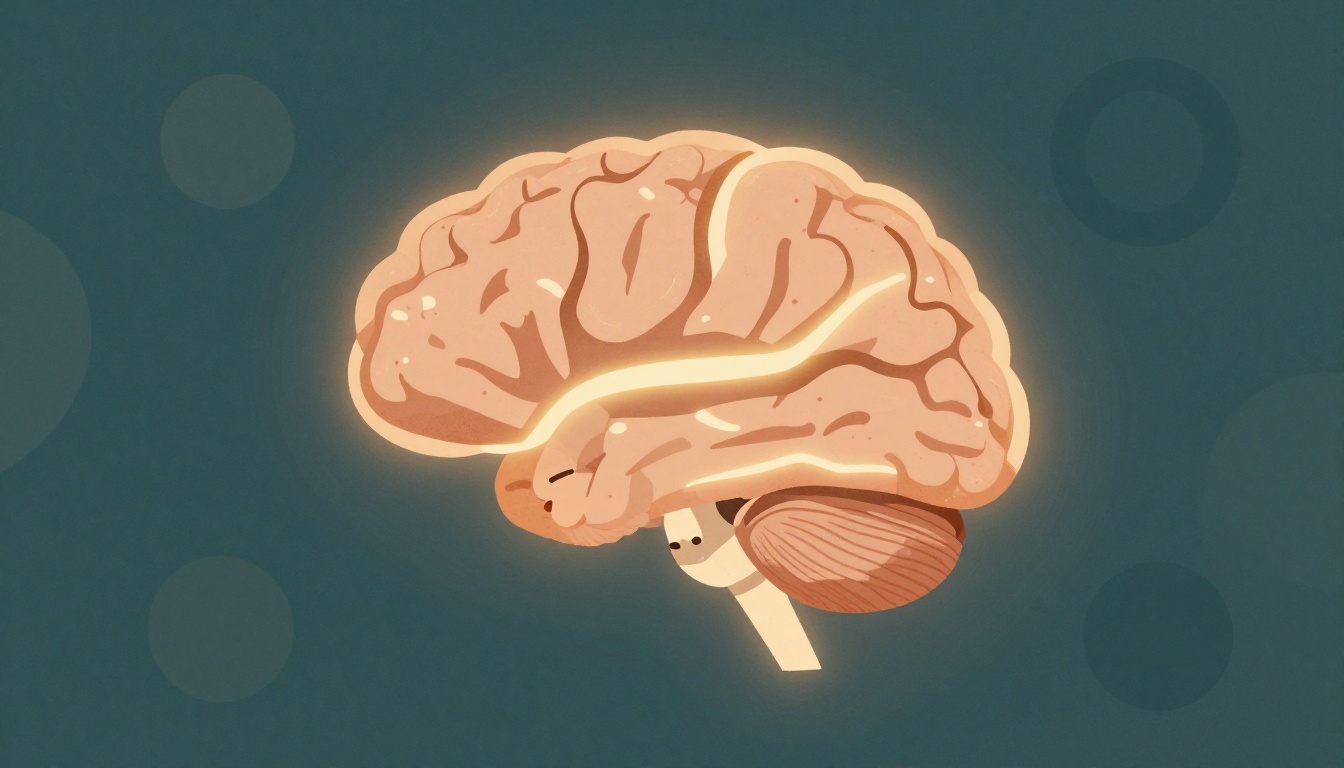
- The reward center (nucleus accumbens) – drives the feeling of pleasure and reinforces drug-seeking behavior.
- The prefrontal cortex – responsible for decision-making and impulse control. In addiction, this area becomes impaired, making it harder to resist cravings.
- The amygdala – governs stress and emotional responses. Chronic drug use sensitizes this region, leading to intense anxiety when the substance is absent.
These changes can persist long after someone stops using. That's why relapse is common—and why treatment must address the brain's altered circuitry, not just the behavior.
What this means for treatment
Because addiction is a brain disease, effective treatment must be evidence-based. The National Institute on Drug Abuse and SAMHSA both emphasize approaches that combine medication, behavioral therapy, and family support.
Key components of effective treatment include:
- Medication-assisted treatment (MAT) – FDA-approved medications like buprenorphine or naltrexone help normalize brain chemistry and reduce cravings.
- Cognitive behavioral therapy (CBT) – helps patients recognize and change thought patterns that lead to substance use.
- Family involvement – programs like CRAFT and Total Family Intervention engage the entire family system, improving outcomes.
The role of professional intervention
Professional intervention services use structured, evidence-based models to increase treatment engagement. DIY interventions often backfire because they trigger defensiveness. A trained interventionist understands the neuroscience behind addiction and can guide conversations in a way that reduces resistance.
For families in New Jersey and Eastern Pennsylvania, services like those offered by Recovery Life Collective provide certified professionals who use Total Family Intervention with sliding scale pricing.
How the Resident Expert Can Help
Recovery Life Collective brings certified professional interventionists who understand the science behind addiction and apply evidence-based methods like Total Family Intervention. Their team works with families across New Jersey and Eastern Pennsylvania, offering sliding scale pricing and 24/7 availability. They don't just get someone into treatment—they help rebuild the entire family system. Visit Recovery Life Collective to learn how they can support your family's recovery journey.
Quiz: Test your understanding
Which statement best describes the brain's response to repeated drug use?
A. The brain increases dopamine production to maintain pleasure. B. The brain reduces the number of dopamine receptors, leading to tolerance. C. The brain becomes immune to dopamine's effects after one use.