
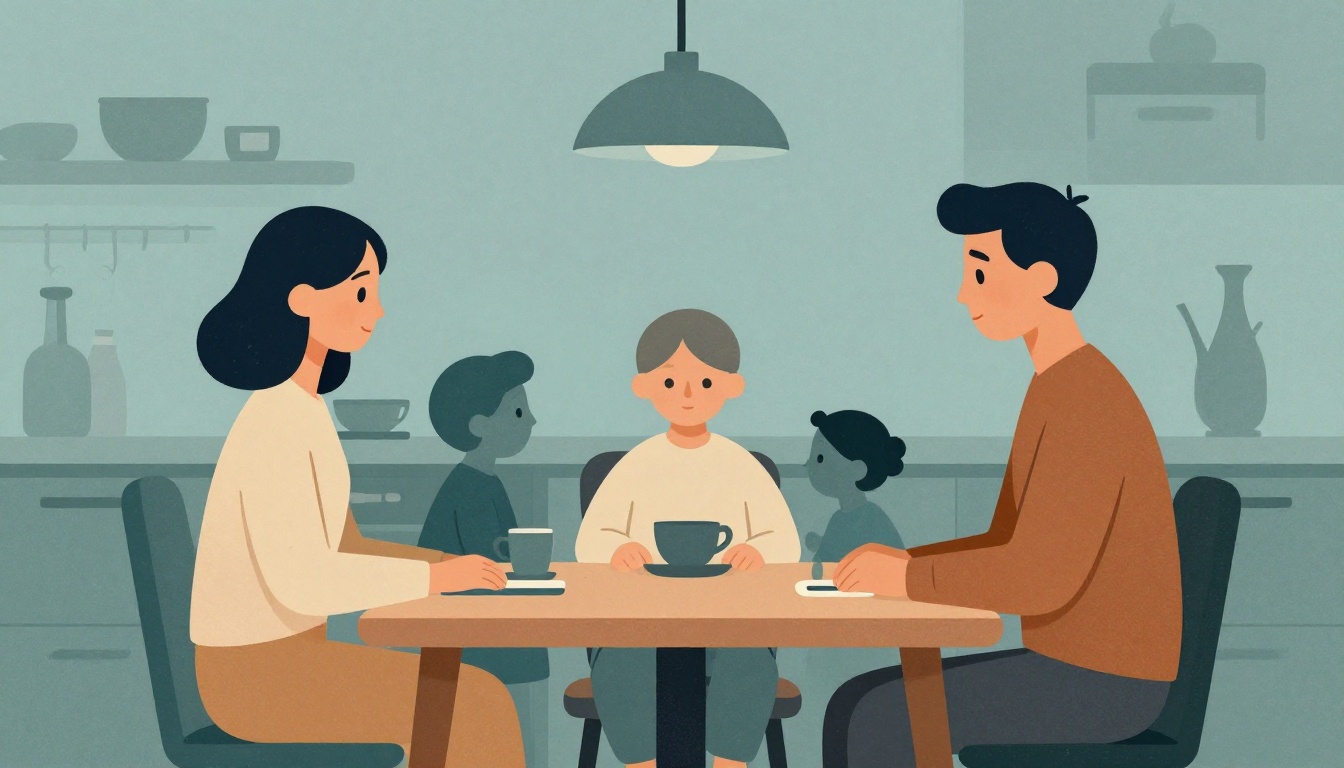
You've been through the worst of it. Your loved one completed treatment, and things finally felt stable. But now you notice small changes—a defensive tone, skipped meetings, late nights. Your gut says something is off.
Relapse doesn't happen overnight. Research from the National Institutes of Health shows it's a gradual process with distinct stages (source). The earlier you recognize the signs, the better your chance of steering things back on course.
Which of the following is a key protective factor against relapse, according to SAMHSA?
Select one answer.
The three stages of relapse
Most people think relapse is a single event—the moment someone picks up a drink or drug. In reality, it unfolds in three phases: emotional, mental, and physical.
Emotional relapse. Your loved one isn't thinking about using yet. But they're isolating, bottling up emotions, and neglecting self-care. Poor sleep, irritability, and skipping meals are red flags.
Mental relapse. A part of them starts craving the substance. They romanticize past use, bargain with themselves, and hang around old using friends. This is the danger zone.
Physical relapse. The actual act of using. Once this stage hits, the window for easy intervention closes.
Specific warning signs families can spot
Family members often notice changes before the person in recovery does. According to SAMHSA, involving family in identifying early warning signs is a key protective factor (source).
Watch for these behaviors:
- Sudden defensiveness. They snap at simple questions about their day.
- Skipping meetings or appointments. They stop attending 12-step groups or therapy sessions.
- Changes in sleep or appetite. Staying up late, sleeping all day, or eating very little.
- Reconnecting with old using friends. They start spending time with people who still drink or use.
- Lying about small things. Dishonesty about where they've been or who they're with.
- Loss of routine. They stop exercising, keeping a tidy space, or following a daily schedule.
What to do when you spot the signs
Don't wait for a full relapse to act. Here's a practical checklist:
- Open a calm conversation. Use "I" statements: "I've noticed you seem stressed lately. How can I support you?"
- Reinforce healthy routines. Offer to attend a meeting with them or go for a walk together.
- Remove triggers. If old friends are a problem, help them find new social outlets.
- Contact their treatment team. Reach out to their counselor or sponsor. You don't need permission—your concern matters.
- Update the relapse prevention plan. Most people create one in treatment but never revisit it. Pull it out and revise it together.
Why family support matters
Your involvement isn't meddling—it's medicine. Studies show that family support for recovery, positive coping skills, and high motivation to change are all protective factors against relapse (source). You can provide practical help like rides to meetings or emotional support during cravings.
But there's a line. You can't control their choices. What you can do is create an environment where recovery can thrive.
How the Resident Expert Can Help
If you're seeing warning signs and don't know where to turn, the team at Recovery Life Collective can help. They offer certified professional intervention services in New Jersey and Eastern Pennsylvania, using evidence-based Total Family Intervention to address both the immediate crisis and the long-term family dynamics. Their CPRS-certified professionals work with your entire family system to increase treatment engagement and prevent relapse. You don't have to navigate this alone.
Quiz: Test your knowledge
Which of the following is a key protective factor against relapse, according to SAMHSA?
- A) Family support for recovery
- B) Strict punishment for rule-breaking
- C) Complete independence from family
Correct answer: A) Family support for recovery