
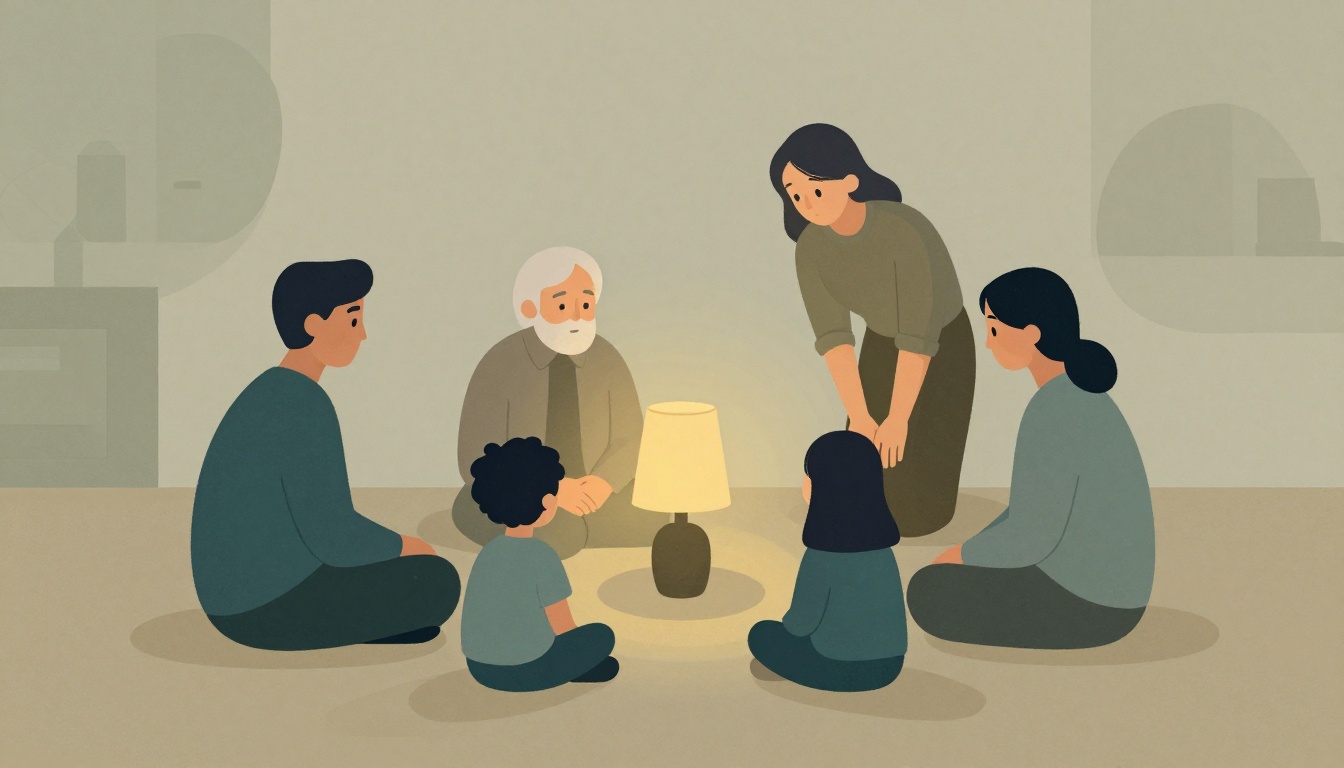
According to the research, what should you do before bringing up a loved one's drinking or drug problem with them?
Select one answer.
Why these conversations go sideways
Talking to a grandparent about addiction is hard because the signs are easy to miss. In older adults, substance misuse is often misdiagnosed, which becomes a major barrier to getting treatment (The Recovery Village). Prescription misuse can hide behind chronic-condition care: watch for frequent prescription refills, secrecy about medications, and changes in coordination or vision that lead to falls (Hanley Center).
When you raise it badly, you get defensiveness, shame, and a closed door. The goal is not to win an argument. The goal is to keep the relationship intact and move one step toward professional help.
Prepare yourself before you speak
Do not open the conversation cold. Get support for yourself first, and don't bring up the drinking or drug problem until you have done that (Hazelden Betty Ford).
Use this checklist:
- Write down 3 specific observations (dates, behaviors, consequences) instead of labels like "alcoholic."
- Decide your one ask: a doctor's visit, a professional assessment, or a family meeting.
- Pick a calm time, sober and private, with no audience.
- Line up two or three treatment options in advance so you're ready if they say yes.
- Rehearse your first two sentences out loud.
What to say, and what to avoid
Lead with concern, not accusation. Use "I" statements such as "I'm really worried about you" rather than "you've got a problem" (GRAND Mental Health).
Avoid ultimatums. They tend to create defensiveness and shame, which can push your loved one further away (GRAND Mental Health).
A simple opening script:
- "I love you, and something has changed that scares me."
- "Last Tuesday you fell, and you didn't remember our call the day before."
- "I'm not here to blame you. I want you to see your doctor with me."
- "If it's nothing, we'll both feel better. If it's something, we'll handle it together."
Then stop talking. Let them respond.
When the grandparent is the one raising the grandchildren
Many grandparents are now raising grandchildren because of a parent's substance use, and that changes the conversation. Eluna's guidance for grandfamilies is to establish a new foundation for the child's life, be open and honest, and maintain love and respect for the parent who is struggling (Eluna).
If a grandchild discloses their own substance use, listen without judgment, reassure them that you still love them, and explain what happens next (Partnership to End Addiction).
If the grandparent is the one with the addiction
When the person with the substance use disorder is your parent or grandparent, the same rules apply, with two additions:
- Involve their physician. Older adults often have medical conditions and medications that interact with alcohol or drugs.
- Expect grief and identity issues. Aging and recovery bring their own complexities, and old family patterns can resurface (NACoA).
A short script for the second conversation
If the first talk went nowhere, don't repeat it louder. Change the frame:
- "I'm not asking you to quit today. I'm asking you to get one professional opinion."
- "I'll drive you and stay in the waiting room."
- "If the doctor says there's no issue, I'll drop it."
When to bring in a professional
If your loved one refuses, or if the family keeps cycling through the same fight, a structured intervention can break the pattern. Professional interventionists use evidence-based models and work with the whole family system, not just the person using substances.
How the Featured Expert Can Help
Recovery Life Collective provides certified professional family intervention services in New Jersey and Eastern Pennsylvania. Their team uses an evidence-based Total Family Intervention model, includes CPRS-certified professionals, and offers sliding scale pricing. Learn more at recoverylifereferrals.com.
Quick quiz
Test what you've learned before your next conversation.