
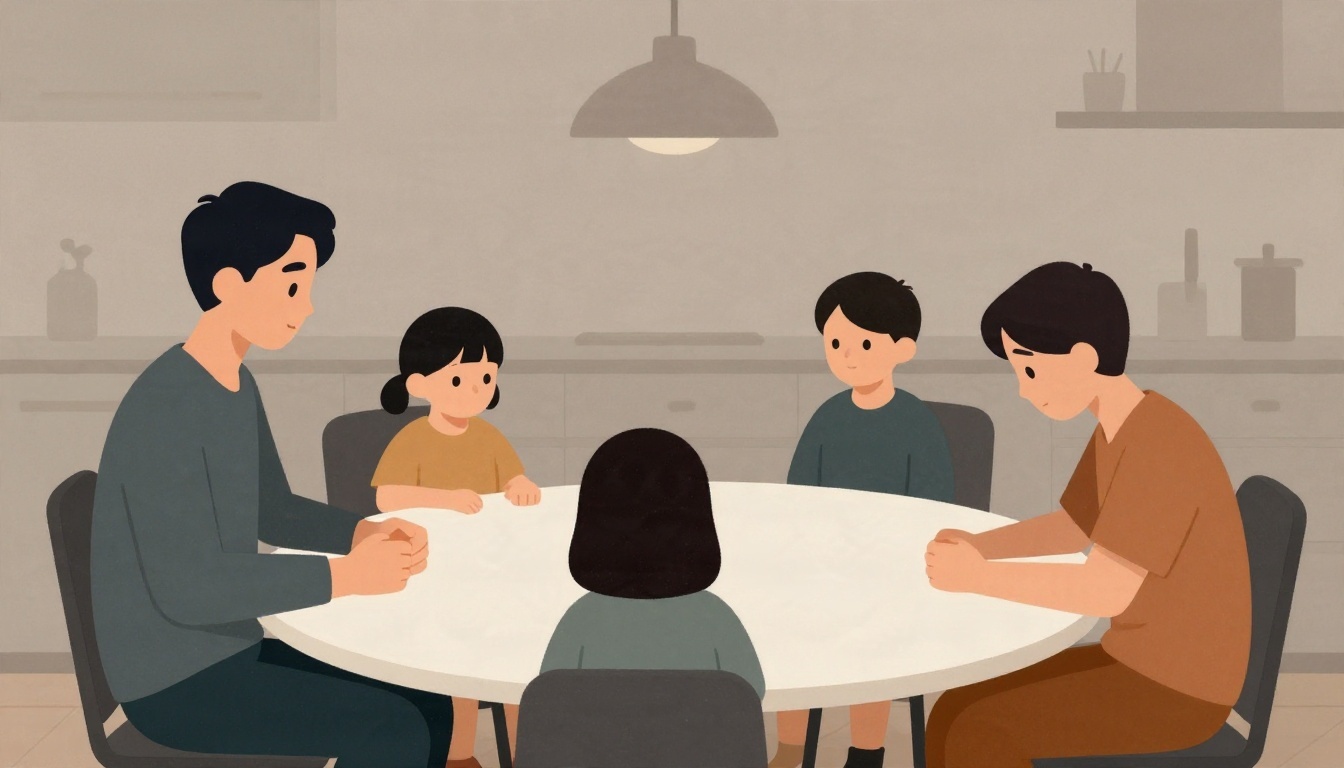
When a loved one is struggling with addiction, your own nervous system may be stuck in survival mode. You might snap at small things, avoid calls, feel numb, or agree to everything just to keep the peace. These are not character flaws—they are trauma responses. Recognizing them is the first step to responding with intention instead of reaction.
Which of the following is a sign of the freeze trauma response?
Select one answer.
What are trauma responses?
Trauma responses are automatic survival reactions your nervous system activates when it perceives threat. The four primary patterns are fight, flight, freeze, and fawn. They are not choices; they are protective patterns shaped by past experiences and ongoing stress. As one clinical resource explains, these responses are "not choices, weaknesses, or personality flaws" but protective patterns (Dandelion Wellness).
In family recovery, the addiction itself can feel like a constant threat—unpredictable, frightening, and beyond your control. Over time, your body may default to one or more of these responses even when the immediate danger has passed.
The four trauma responses and how they show up at home
Fight
The fight response mobilizes you to confront the threat. Signs include quick irritability, defensiveness, a strong need to be right, explosive reactions, and physical tension such as clenched fists or jaw. In family recovery, this might look like starting arguments about past mistakes or trying to control every detail of your loved one's treatment.
Flight
Flight pushes you to escape or avoid. You might feel an urge to leave the room, cancel plans, or stay overly busy. In family recovery, flight can show up as avoiding difficult conversations, working long hours, or emotionally withdrawing from the person you love.
Freeze
Freeze is a shutdown response. You may feel stuck, blank, or dissociated; have difficulty making decisions; or experience numbness and procrastination. In family recovery, freeze might mean you know you need to set a boundary but feel paralyzed when the moment comes.
Fawn
Fawn involves appeasing or placating the perceived threat to reduce harm. You might agree to things you don't want, ignore your own needs, or over-apologize. In family recovery, fawn can look like giving money you can't afford to give or avoiding conflict at all costs, even when it enables harmful behavior.
Why recognizing your pattern matters
Identifying your dominant trauma response shifts the question from "What's wrong with me?" to "What happened, and how is my nervous system trying to keep me safe?" That reframe reduces shame and opens the door to change. It also helps you see the same patterns in other family members, which can lower conflict and increase compassion.
Practical steps to recognize and respond
Use this checklist to build awareness and choose a different response:
- Name it in the moment. When you notice a strong reaction, pause and ask: Am I in fight, flight, freeze, or fawn right now?
- Track your triggers. Keep a simple note of situations that set off your response—certain topics, times of day, or specific behaviors.
- Create a pause plan. Before difficult conversations, decide on a short phrase you can use to step away, such as "I need a minute to think."
- Practice grounding. Use slow breathing, feel your feet on the floor, or name five things you can see to bring your nervous system back to the present.
- Set boundaries from calm, not from fear. Decide what you will and won't do ahead of time, and write it down so you can refer to it when emotions rise.
- Seek trauma-informed support. A therapist or family program can help you understand your patterns and build new coping skills.
How trauma responses affect the whole family
Trauma responses are contagious within a family system. One person's fight may trigger another's flight, creating cycles of conflict and withdrawal. Recognizing these patterns can help you interrupt the cycle. For example, if you tend to fawn and your loved one tends to fight, you may agree to things you resent, then withdraw—leaving both of you feeling unheard. Naming the pattern out loud can reduce blame and open space for a calmer conversation.
When to get professional help
If trauma responses are interfering with your daily life, relationships, or ability to support your loved one, consider professional support. Trauma-informed care principles include safety, trustworthiness, peer support, collaboration, empowerment, and cultural awareness (Recovery Research Institute). A qualified therapist or family intervention specialist can help you apply these principles at home.
How the Featured Expert Can Help
Recovery Life Collective offers certified professional family intervention services in New Jersey and Eastern Pennsylvania. Their evidence-based Total Family Intervention approach includes CPRS-certified professionals and sliding scale pricing, with a focus on supporting the entire family system. To learn more, visit recoverylifereferrals.com.
Quiz: Test your knowledge
Which of the following is a sign of the freeze trauma response?
- Feeling stuck, blank, or unable to make decisions
- A strong urge to confront the threat
- Appeasing others to avoid conflict