
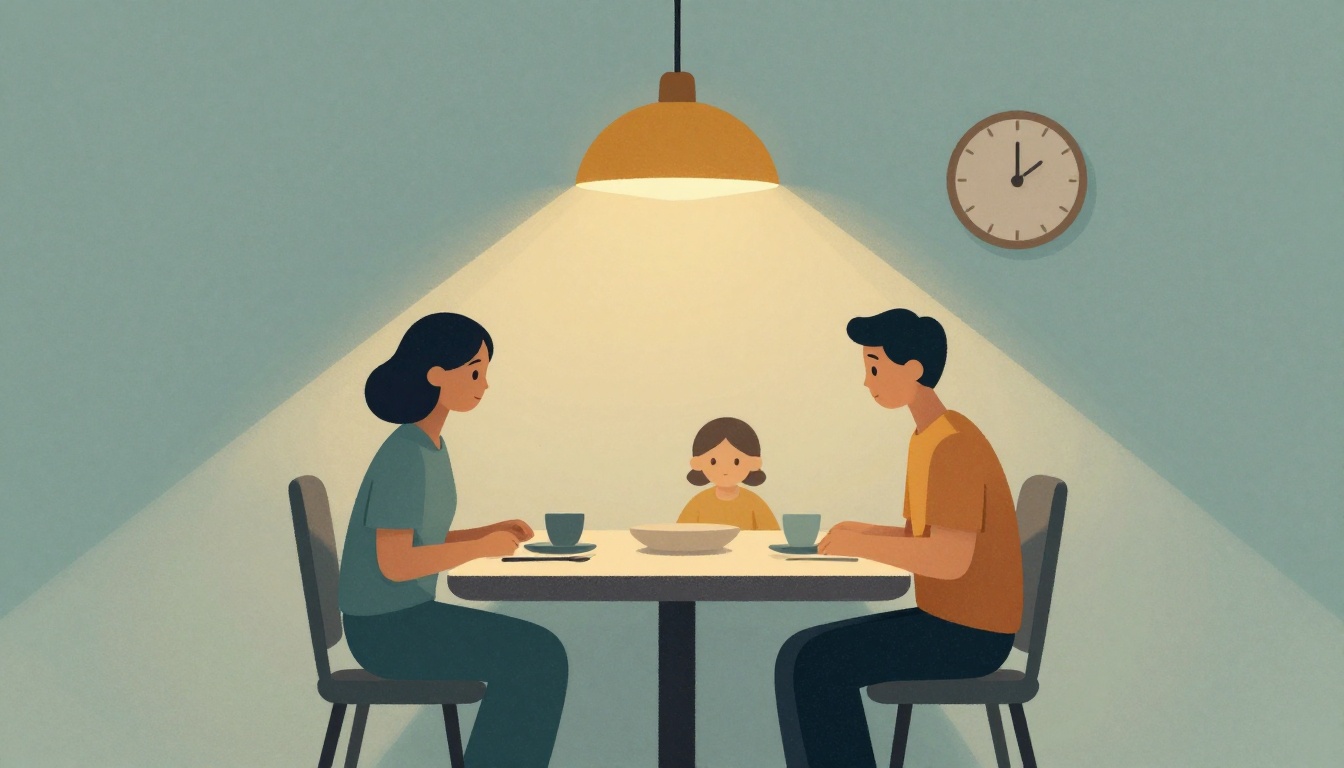
When your loved one returns home from addiction treatment, the silence can feel louder than the chaos that came before. The structure of rehab is gone, and without a plan, old patterns—enabling, avoidance, conflict—can creep back in. One of the most powerful tools you have is not a conversation or a contract, but a daily schedule. Rebuilding family routines after treatment creates a foundation of safety, predictability, and trust that supports everyone's recovery.
Research shows that unstructured time is one of the hardest moments to manage in early recovery. In a study of adults 1 to 12 weeks into remission, unoccupied blocks of time increased relapse risk, while rest made up about a third of their activities on both busy and slow days (Windward Way Recovery). A well-designed routine fills those gaps with intentional choices instead of old habits. For families, this means creating a shared schedule that supports sobriety and rebuilds the household dynamic.
What percentage of people returning home from treatment relapse within the first 30 days, according to the research cited?
Select one answer.
Start with a family meeting
Before you build a new routine, sit down together—ideally before your loved one comes home. Review the discharge and aftercare plan as a family, and make sure everyone agrees on the conditions and consequences (Johnny's Ambassadors). This isn't about control; it's about clarity. When everyone knows what to expect, there's less room for misunderstanding and resentment.
During this meeting, discuss:
- Daily schedules: work, school, therapy, meetings, and family time
- Household responsibilities: who does what, and when
- Boundaries: what behaviors are acceptable, and what happens if they're crossed
- Communication: how you'll check in with each other without nagging
Build a predictable daily rhythm
Consistency is key. Simple, regular routines—like family meals, bedtime rituals, or weekend activities—restore a sense of normalcy and become a foundation for recovery (LiveAgain Detox). Start small. You don't need to overhaul your entire life overnight.
A practical daily rhythm might look like this:
- Morning check-in: 10 minutes to share plans and intentions for the day
- Regular mealtimes: eat together as often as possible, even if it's just breakfast
- Structured evenings: predictable activities like a walk, a game, or a meeting
- Consistent bedtime: prioritize sleep, which is critical for physical and emotional healing
Encourage new interests and hobbies. Before treatment, your loved one's schedule may have revolved around substance use. Now, they need meaningful activities to fill their time and relieve stress (Alpharus Health). Consider picking up a new hobby together—it's a way to reconnect and build positive memories.
Make aftercare non-negotiable
Aftercare is a critical component of long-term recovery. It includes therapy, support groups, and sometimes sober living. Encourage your loved one to participate fully, and make it easy by arranging transportation and having a list of local meetings ready from day one (Johnny's Ambassadors).
Family members also need support. Attend Al-Anon or similar family meetings to learn about addiction and your role in the family system (Duffy's Rehab). This isn't just about helping your loved one—it's about healing yourself and the family as a whole.
Create a safe, trigger-free home
A supportive home environment is essential. Remove any alcohol or substances, and lock up mood-altering prescription medications (Pura Vida Recovery). This isn't about distrust; it's about reducing temptation and showing commitment to recovery.
Also, be mindful of emotional triggers. Avoid conversations that provoke stress or anxiety, and focus on creating an open, empathetic atmosphere where everyone feels safe sharing their thoughts and feelings (Grand Falls Recovery).
Practice patience and self-care
Rebuilding trust takes time. Repairing relationships after addiction is a gradual process that requires patience and commitment from everyone (The Villa Treatment Center). Don't expect perfection. Relapse is common—about 40 to 60 percent of cases—and it doesn't mean failure; it means more work is needed (Pura Vida Recovery).
Take care of yourself, too. You can't pour from an empty cup. Prioritize your own sleep, nutrition, and exercise, and seek support when you need it. A family that heals together stays together.
How the Featured Expert Can Help
Rebuilding family routines is a vital step, but you don't have to do it alone. Recovery Life Collective offers certified professional family intervention services in New Jersey and Eastern Pennsylvania, using evidence-based Total Family Intervention with sliding scale pricing. Their CPRS-certified professionals support the entire family system, helping increase treatment engagement and long-term healing. If you're preparing for a loved one's return home, reach out for guidance tailored to your family's needs.
Quiz: Test your knowledge
What percentage of people returning home from treatment relapse within the first 30 days, according to the research cited?
- 60%
- 40%
- 80%
Correct answer: 60% (based on the statistic from the Johnny's Ambassadors post).