
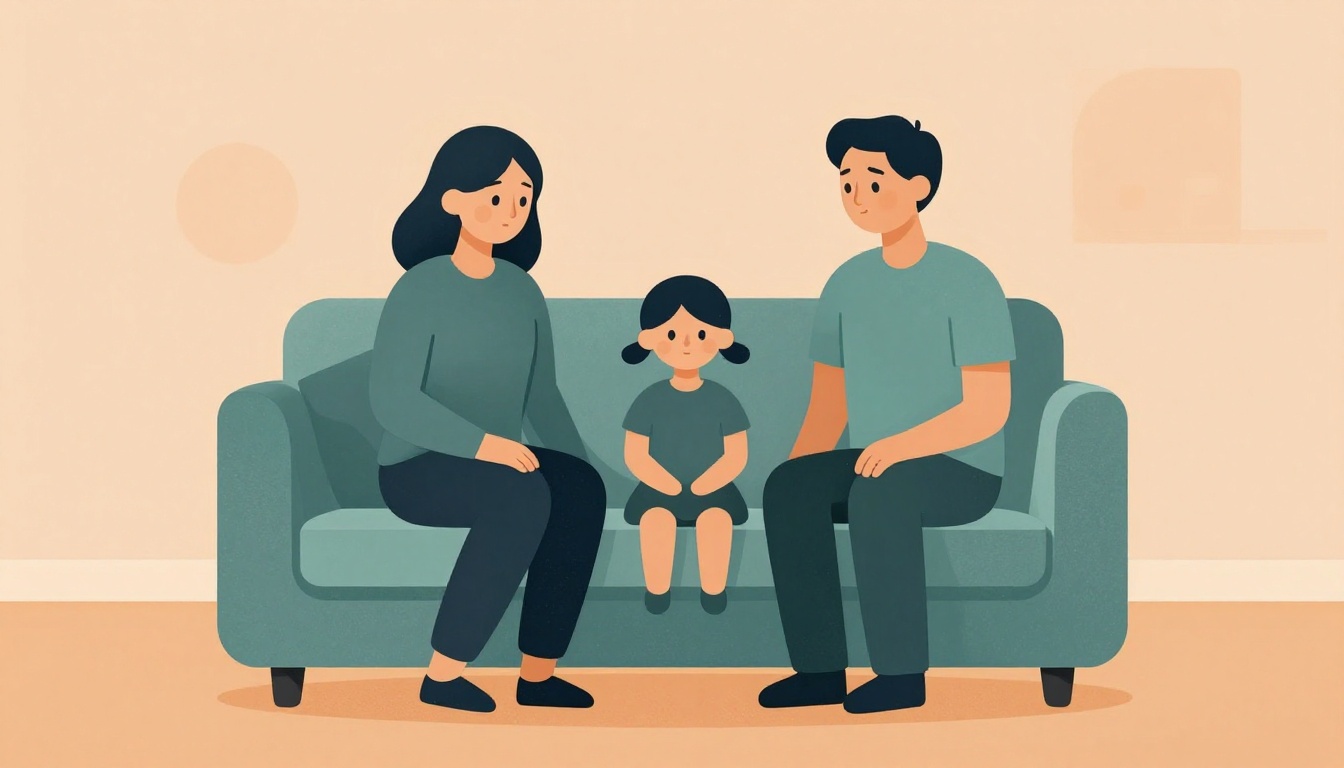
You've heard the apology a hundred times. Your loved one says they're sorry, promises to change, and then something happens that shatters your confidence again. The lies, the broken promises, the financial strain—addiction leaves deep wounds in every family relationship.
Trust doesn't come back because someone says the right words. It returns through consistent, observable action over time. Here's how your family can start rebuilding trust today.
What percentage of families see improved outcomes when they participate in structured family therapy during a loved one's recovery?
Select one answer.
Why trust breaks during addiction
Addiction rewires priorities. The substance becomes the center of everything, and relationships suffer. Common trust-breakers include:
- Lying about substance use or whereabouts
- Breaking promises to stop or cut back
- Neglecting family responsibilities
- Causing financial harm
- Emotional or verbal outbursts
Understanding these patterns is the first step. Your family didn't cause the addiction, but you can be part of the solution.
Step 1: Start with honest accountability
The person in recovery must acknowledge the specific harm they caused. A vague "I'm sorry for everything" doesn't work. They need to name the behaviors: "I lied about where I was last Tuesday. I broke your trust when I took money from your wallet."
This isn't about shame. It's about taking ownership. According to Ashley Addiction Treatment, acknowledging the hurt you've caused and offering a genuine apology without excuses is a critical first step.
Step 2: Practice consistency in small things
Trust is rebuilt in daily micro-moments. Being on time for dinner. Answering phone calls. Following through on small commitments. These actions prove reliability.
Pine Grove Treatment Center emphasizes that consistency means following through on promises, being transparent even when uncomfortable, and taking ownership of past actions. Recovery unfolds through small, daily choices.
Step 3: Respect boundaries
Your loved one may need space. They may set rules about finances, communication, or visits. These aren't punishments—they're protective measures.
Mountain Laurel Recovery Center explains that setting clear, healthy boundaries protects sobriety and creates a foundation for healthier interactions. Respecting boundaries shows emotional maturity.
Step 4: Bring the whole family into therapy
Individual recovery isn't enough. Family therapy addresses the systemic damage addiction caused. It helps everyone understand their role in the family dynamic and learn new communication patterns.
Thrive Treatment notes that family therapy helps families move from conflict and confusion to understanding and connection. It's an evidence-based approach that improves outcomes for everyone.
A quick checklist for families
- Have an honest conversation about specific trust violations
- Agree on 2-3 small daily commitments the person in recovery will keep
- Set clear boundaries around finances, communication, and personal space
- Schedule regular family check-ins (weekly is ideal)
- Enroll in family therapy with a qualified professional
- Celebrate small wins—each kept promise is progress
What to expect timeline-wise
Rebuilding trust takes time. Research shows that families who participate in structured family therapy see meaningful improvements within 3-6 months. But full trust restoration often takes 12-18 months of consistent behavior.
Be patient. Your loved one is learning to be reliable again. You're learning to trust again. Both processes take practice.
Quiz: test your knowledge
Let's see what you've learned about rebuilding trust after addiction.
Question: What percentage of families see improved outcomes when they participate in structured family therapy during a loved one's recovery?
- A) 25-30%
- B) 50-60%
- C) 70-80%
How the Resident Expert Can Help
You don't have to navigate this alone. Recovery Life Collective offers certified professional family intervention services in New Jersey and Eastern Pennsylvania. Their team uses evidence-based Total Family Intervention to support the entire family system, not just the individual in recovery. With CPRS-certified professionals and sliding scale pricing, they make expert guidance accessible. They understand that healing broken trust requires a structured, compassionate approach—and they're ready to help your family take the next step.